
Breathe Better, Sleep Better: What Your Dentist Can Do for Sleep Apnea
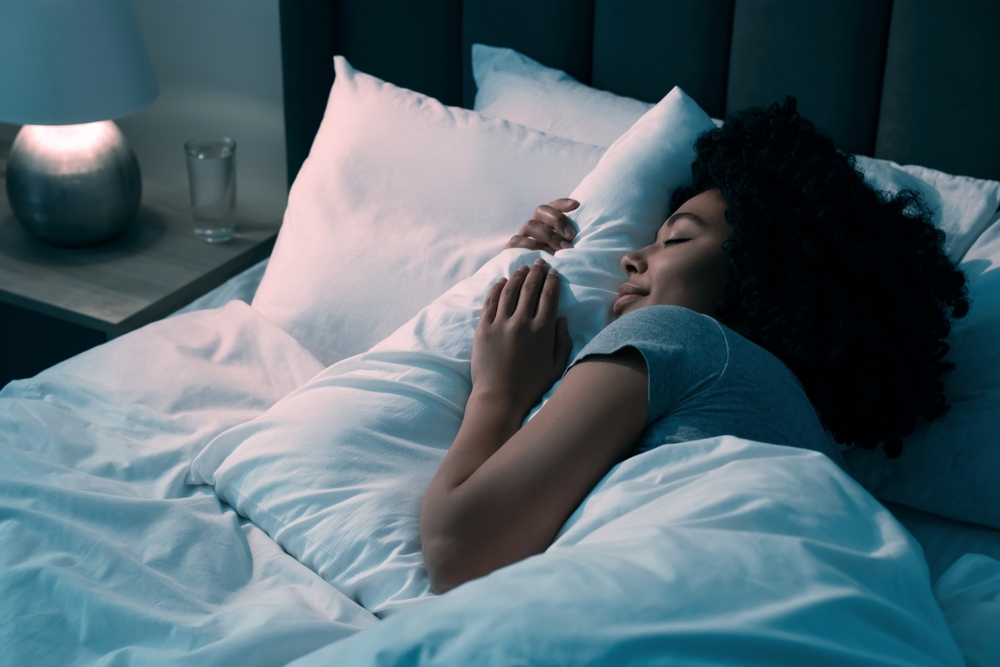 Let’s talk about sleep apnea. It’s one of those conditions that people often brush off as “just snoring,” but it’s so much more than that. Sleep apnea is when your breathing repeatedly stops and starts during sleep. These pauses can last a few seconds, even longer, and they interrupt your natural sleep cycle in ways that leave you feeling exhausted the next day, no matter how many hours you spend in bed.
What is Sleep Apnea?
There are different types, but the most common one is obstructive sleep apnea (OSA). This happens when the muscles in your throat relax a little too much at night, blocking your airway. Think of it like a garden hose that gets a kink in it. It’s harder for water to flow, and in this case, it’s harder for air to pass through.
How Sleep Apnea Affects Your Sleep
When your airway is blocked, your body basically panics. Your brain wakes you up, sometimes just slightly, sometimes more noticeably, so you start breathing again. This cycle can repeat dozens of times per hour. The result? You miss out on the deep, restorative stages of sleep your body needs. That’s why people with sleep apnea often deal with daytime sleepiness, trouble concentrating, morning headaches, and even an increased risk of heart issues.
Why CPAP Doesn’t Work for Some People
The traditional treatment for sleep apnea is a CPAP (Continuous Positive Airway Pressure) machine. It pushes air through a mask to keep your airway open. Unfortunately, many people never get comfortable with it. The mask can feel bulky, the noise can be annoying, and traveling with it isn’t convenient. That’s why many individuals stop using their CPAP even though they know they need treatment.
Oral Appliance Therapy for Sleep Apnea
At Kenilworth Dental Associates, we specialize in sleep medicine solutions that work. We can provide you with oral appliances to help manage sleep apnea. These custom-made devices are worn at night, similar to a nightguard, and are designed to fit your mouth comfortably. They’re small, quiet, and easy to travel with. Two of the most common types are:
- Mandibular Advancement Device (MAD): This gently shifts your lower jaw forward, keeping the airway from collapsing. Holding things in the right position makes it easier for air to move in and out.
- Tongue-Retaining Device (TRD): This holds the tongue slightly forward, so it doesn’t fall back and block the throat.
How Oral Appliance Therapy Improves Sleep by Improving Breathing
When your airway stays open all night, your breathing stays steady. That means your body finally gets to go through the full sleep cycle, including light sleep, deep sleep, and REM, without constant interruptions. You wake up feeling more rested, your snoring decreases (your partner will thank you), and your overall health gets a boost because your heart and brain aren’t working overtime to keep you breathing.
If you’ve struggled with CPAP or you’re just looking for another option, talking to Dr. Dani at Kenilworth Dental Associates about oral appliance therapy could be a game-changer. Better breathing at night means better sleep, and better sleep affects nearly every aspect of your life, from your mood and focus to your long-term health.
To learn more about oral appliance therapy for sleep apnea, please get in touch with our office at Kenilworth Dental Associates Office Phone Number (847) 256-7700 to schedule a consultation.
Comments are closed.